

Are Your Employees Taking Excessive Sick Leaves

Chairs that are empty on busy workdays don't always tell the whole story. When sick leaves start to spread through teams, it's not just about being sick; it's also about how people feel about their jobs. Long commutes, cramped spaces, unclear rules, and unrelieved stress all add up until it's easier to call in sick than to show up.
This guide explains why absenteeism is on the rise, how the location and design of the office affect employee attendance, and what leaders can do to stop the trend. These tips will help you create a healthier workplace, stricter rules, and a place where people want to come back to work, whether you have a five-person team or a growing business. Use the right workspace strategy to cut down on sick days.
Why Are Sick Leaves Increasing
Absenteeism at a Glance
A quick look at how absenteeism is shaping Indian workplaces - and why workspace choices matter more than HR manuals alone.
Why Sick Leaves Rise When the Workplace Feels Off
It's not unusual for one person to miss a Monday. When whole teams start to thin out for two weeks in a row, it's a sign that something is wrong, and it's not usually the flu.
One sick note is a data point. A pattern is a pulse reading of the workplace. When the same faces go quiet every few Mondays, it usually points to something deeper than a seasonal bug long commutes, unclear policies, or a room that drains more energy than it gives back.
Distance is the first thing most leaders underestimate. A two-hour commute each way chips away at sleep, meals and mood long before it shows up as a sick day. Choosing an office connected to transit - a managed workspace in Connaught Place, Saket or Nehru Place - trims travel, not effort. People arrive with something left in the tank, and attendance steadies almost on its own.
Policy clarity matters just as much. When leave rules blur at the edges - sick, casual, earned, comp-off - employees either hoard days or burn through them to stay safe. Writing policies in plain language, publishing them where everyone can find them, and applying them evenly across teams closes the loop that absenteeism quietly thrives in.
Management style is the third lever. Tight control, constant pings, and no room to plan one’s own day slowly corrode focus. Stress doesn’t always take you to the doctor - sometimes it just takes you off the roster. Giving people ownership over how work gets done tends to cut unexplained absences faster than any wellness memo.
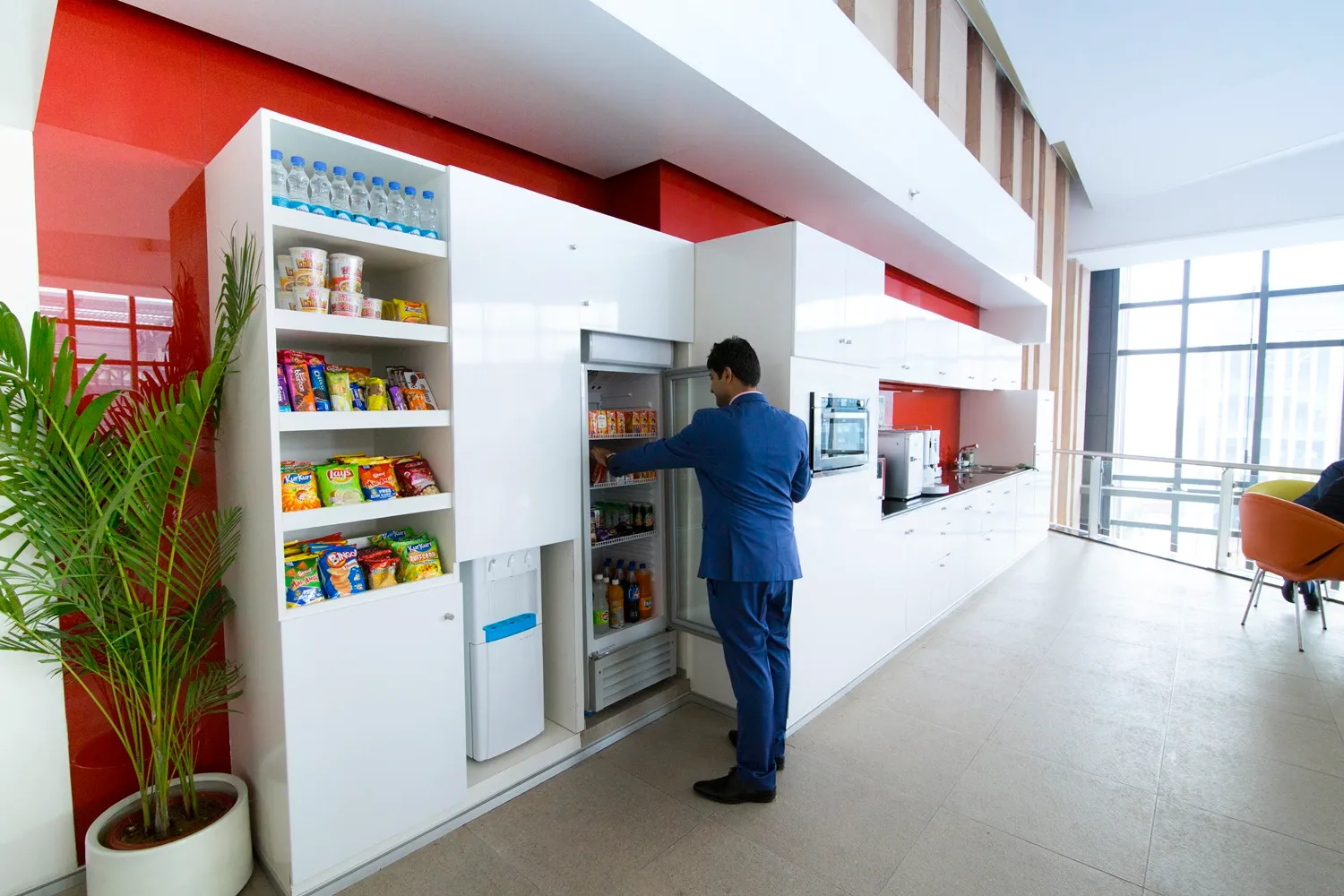
Finally, look at the room itself. Open plans are great for connection and collaboration, but without quiet zones, phone booths, or a place to simply breathe, the same layout becomes the reason people prefer working from bed. Space shapes mood, and mood shapes attendance.
Simple Fixes That Cut Sick Leaves Fast
Start with the levers leaders actually control. Each of these reduces avoidable absences without inflating the HR budget.
Where You Work in Delhi NCR Shapes Who Shows Up
The right address does more than impress clients - it decides whether your team arrives ready or already tired.
Connaught Place
Metro - linked, central and premium - cuts commute stress for teams spread across Delhi.
Saket
Quieter South Delhi setting with strong connectivity - ideal for teams that value calm focus.
Nehru Place
A tech - heavy hub with everyday amenities close by - fewer reasons to take the day off.
Gurgaon
Modern, spacious floors near NH-48 and metro lines - shorter travel, steadier attendance.
FAQs
1. Why are employees taking more sick leaves than usual?
2. How can companies reduce excessive sick leaves?
3. Does office location affect employee attendance?
4. Does workplace design impact employee health?
5. Do wellness programs actually work?
Fewer Sick Days Start With a Better Workspace
Avanta Business Centre offers fully managed offices across Delhi and Gurgaon - centra
About the Author